Training on project writting and fundraising

European Funding Opportunities for Anti-Racist Projects
Importance of EU funding for social justice and anti-discrimination initiatives
Funding is not just about money—it’s about sustainability, growth, and impact. Without financial support, many grassroots organizations struggle to expand their reach, develop new initiatives, and ensure the long-term sustainability of their work. EU funding provides an opportunity to scale up successful projects, collaborate across borders, and make a tangible impact on policies and communities.
A great example is the ‘DIVERSE’ project, funded under the Erasmus+ program, which supported intercultural learning and anti-racism training in schools across Europe. The project empowered educators with innovative teaching materials to combat discrimination at an early stage
Overview of how EU funding aligns with anti-racist policies
- The EU’s legal framework actively combats racism through legislation such as the Racial Equality Directive and the EU Charter of Fundamental Rights.
- Funding programs ensure that anti-racism initiatives are not just temporary actions but part of long-term systemic change.
- The EU Anti-Racism Action Plan 2020-2025 prioritizes the fight against racism in policymaking and ensures financial support for civil society organizations working in this field.
- There is a growing demand for transnational cooperation, meaning projects that involve multiple EU member states have higher chances of funding.
- When designing your project, always reference EU priorities—this increases your chances of securing funding. Aligning project objectives with EU strategies is crucial for success.

Overview of Key EU Funding Programs
-
Erasmus+: Funding for education, youth, and capacity-building projects
« Erasmus+ is one of the most well-known EU programs, providing opportunities for education, training, youth, and sports. It supports projects that promote inclusion, diversity, and social cohesion. Through Erasmus+, organizations can develop partnerships, mobility programs, and capacity-building initiatives.
Key Erasmus+ Programs for Anti-Racist Projects:
-
Small-Scale Partnerships (Partenariats Simplifiés): Lower administrative requirements, ideal for small organizations and grassroots initiatives. Funding ranges from 30,000€ to 60,000€.
-
Cooperation Partnerships: Designed for larger-scale projects fostering collaboration among European organizations. Grants typically range from 100,000€ to 400,000€.
-
Capacity Building in the Youth Sector: Supports cooperation between youth organizations worldwide, enhancing inclusion, participation, and anti-discrimination initiatives. Funding varies depending on project scope.
Thematic Priorities:
-
Social Inclusion and Diversity: Focused on equal opportunities and access for marginalized communities.
-
Democratic Participation and Active Citizenship: Strengthening civic engagement against racism and discrimination.
-
Digital Transformation: Using digital tools to foster inclusion and challenge racial biases.
-
Sustainability and Environment: Promoting equality through climate justice and social resilience.
-
Example Erasmus+ Projects:
Youth Against Racism' project: Developed training programs for young activists to counter racial discrimination and hate speech, supported under Erasmus+ Youth.
'Inclusion Through Sport': Used sports as a medium to promote social inclusion and racial equality in marginalized communities.
'Intercultural Ambassadors': Focused on training youth workers to implement anti-racist educational programs in schools across Europe.
'Voices of Diversity': Created storytelling and media literacy workshops to empower young people from diverse backgrounds to combat stereotypes., which brought together youth organizations from five EU countries to create inclusive learning environments and foster intercultural dialogue among young people."
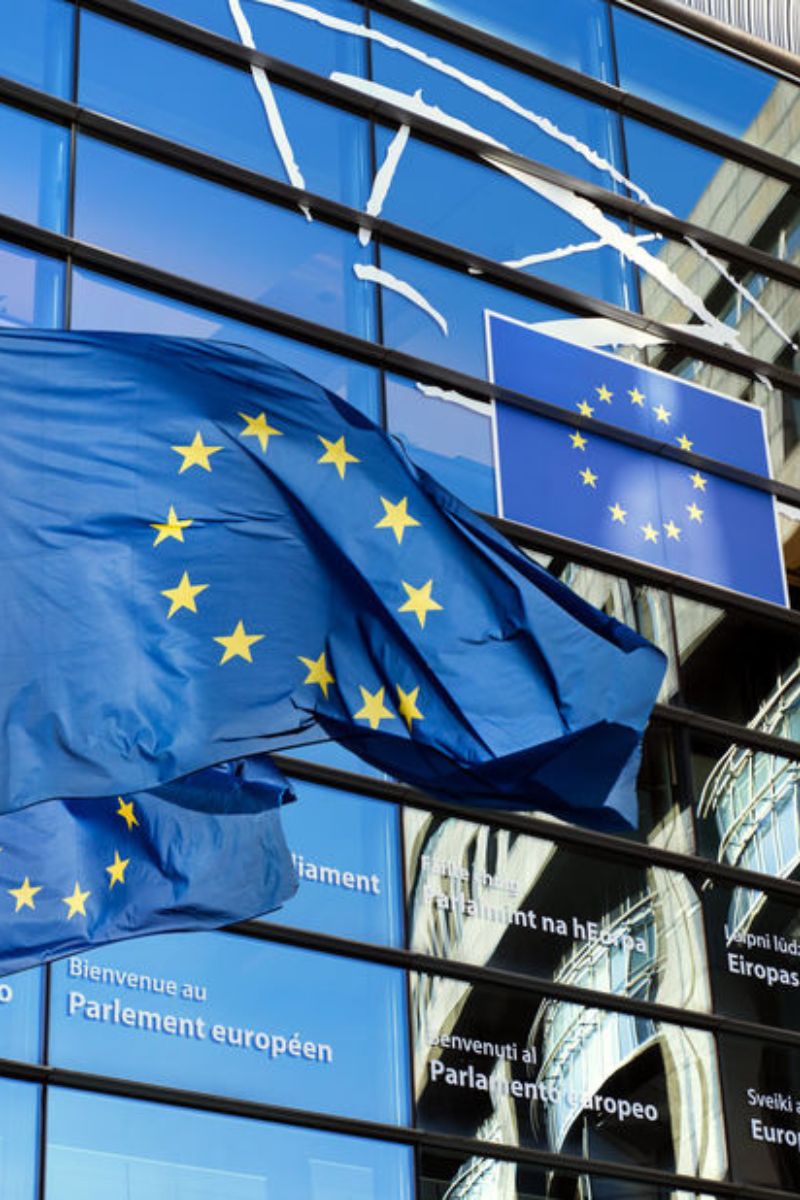
Citizen Participation 2025
The « Citizens, Equality, Rights and Values » (CERV) program aims to strengthen citizen engagement and promote the democratic values of the European Union. It supports projects involving civil society, public institutions, and citizens in democratic participation.
Program Objectives
Promote citizen participation in the democratic life of the EU
Strengthen resilience against disinformation and threats to democracy
Foster civic engagement, particularly among young people and underrepresented groups.
Encourage the exchange of best practices among Member States
Call of project CERV-2025-CITIZENS-CIV
This funding supports transnational projects aimed at engaging citizens in EU decision-making. The project must align with one of the three priorities.
Priority Themes
1. Promote exchanges on the challenges of the EU
- Public debates, conferences, and online platforms.
- Workshops and training on European policies.
- Projects enabling citizens to express their vision of the EU.
2. Combat disinformation and interference in the democratic debate.
- Awareness campaigns on disinformation.
Media literacy and civic education training.
Tools to detect false information and strengthen critical thinking.
3. Encourage active citizen participation
Who can apply?
Eligibility Criteria
Types of Organizations
NGOs, associations, local authorities, public and private institutions.
Consortium
At least two organizations from two eligible countries (EU Member States + associated countries).
Montant de la subvention
Minimum 75 000 €.
Durée du projet
12 à 24 mois.
Budget and Funding
Total Budget: 33 millions €
- Priority 1 : 12,5 M€
- Priority 2 : 8 M€
- Priority 3 : 12,5 M€
The funding covers
-
- Direct costs (salaries, equipment, training, travel expenses).
- Indirect costs (up to 7% of the total as lump-sum costs).
- Funding methods: reimbursement of actual costs or lump-sum grant.
Evaluations & Selection Criteria
Applications are evaluated based on three main criteria.
Minimum threshold for funding: 70/100 points.

1. Relevance of the project
Alignment with program priorities – 40 points
2. Quality of the implementation plan
Methodology, expected impact – 40 points
3. Project impact and sustainability
Replicability, dissemination of results – 20 points
How to Submit a Project?

Inscription on Funding & Tenders portal

Project Proposal Preparation
Creation of a PIC (Participant Identification Code).
Addition of administrative information.

Online submission before the deadline: April 29, 2025

Research, Innovation, and Integration Funding for Anti-Racist and Migrant Inclusion Projects
- Horizon Europe: Research and innovation funding, including social sciences and humanities
Horizon Europe is the EU’s main funding program for research and innovation. While it primarily focuses on scientific research, it also supports projects that address social inequalities, discrimination, and policy-driven research.
Example: The ‘Inclusion for All’ project, which examines discrimination patterns across Europe and develops policy recommendations to reduce structural racism in employment and education.
- AMIF (Asylum, Migration and Integration Fund): Focus on projects supporting integration and inclusion of migrants
The AMIF program funds projects that promote the integration of migrants and asylum seekers. This includes education, employment access, social inclusion, and legal support services.
Example: The ‘Welcome & Work’ project, which provides vocational training and job placement services for newly arrived migrants, helping them integrate into the labor market while addressing discrimination in employment.
Practical Workshop – Selecting the Right Funding Call
Group Exercise
- Participants will review selecte a project
- They will analyze the eligibility criteria, priorities, and requirements EU funding calls
- Teams will present their findings and discuss how their projects fit the criteria
