Training on project writting and fundraising

Developing Strategic Partnerships for Funding & Project Success
In this workshop, we’ll explore the importance of building strategic partnerships for successful EU-funded projects. Effective partnerships not only increase your chances of securing funding but also enhance project sustainability, expertise, and reach.
Objectives:
-
Understand the importance of partnerships for EU project success.
-
Learn how to identify potential consortium members and collaborators.
-
Develop skills to negotiate roles, responsibilities, and agreements.
Power Mapping – Analyzing Stakeholder Influence
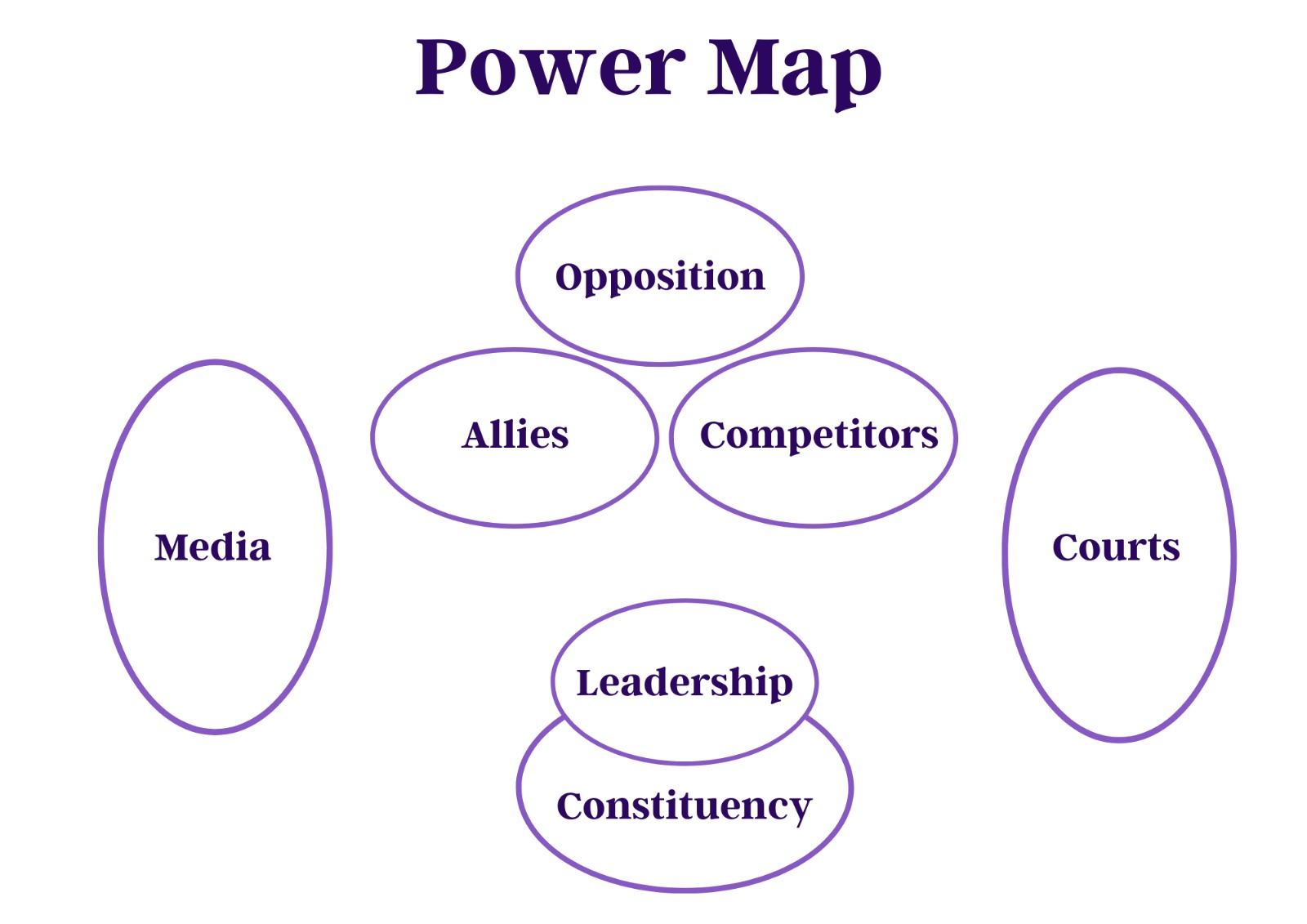
Introducing the Power Map framework
-
Opposition: Entities that may challenge your project (e.g., competing organizations).
-
Allies: Key partners and supporters.
-
Competitors: Organizations working in the same space but not collaborating.
-
Media: Channels to disseminate your project outcomes.
-
Courts: Legal stakeholders who might influence your project.
-
Leadership & Constituency: Internal decision-makers and project beneficiaries.
Identifying Potential Consortium Members and Collaborators
Who to partner with?
- NGOs and civil society organizations
- Research institutions and universities
- Local authorities and public institutions
- Private sector and social enterprises
Criteria for partner selection:
- Expertise and experience
- Geographic coverage
- Resource availability and capacity
Establishing Roles and Responsibilities in Joint Applications
Defining clear roles within the consortium:
-
- Lead partner responsibilities
- Technical and administrative roles
- Reporting obligations and decision-making structures
Drafting Memoranda of Understanding (MoUs) and partnership agreements.
Practical Workshop – Developing a strategic partnership plan
Group Exercise
- Each group identifies:
- Key partners and their roles
- Expected contributions
- Coordination mechanisms
Monitoring, Evaluation & Project Impact
Objectives:
- Understand the importance of integrating M&E from project inception.
- Learn how to track progress and measure the impact effectively.
- Ensure long-term sustainability through proper evaluation strategies.
Monitoring, Evaluation & Project Impact
Monitoring:
-
- Setting up indicators (qualitative and quantitative).
- Establishing data collection methods.
- Creating reporting schedules for internal and external stakeholders.
Evaluation:
-
- Assessing outcomes versus objectives.
- Conducting mid-term and final evaluations.
- Using evaluation results to improve future projects.
Sustainability Strategies:
- Ensuring financial, institutional, and community sustainability.
- Integrating sustainability measures into the project design.
Introducing the Power Map framework
-
Opposition: Entities that may challenge your project (e.g., competing organizations).
-
Allies: Key partners and supporters.
-
Competitors: Organizations working in the same space but not collaborating.
-
Media: Channels to disseminate your project outcomes.
-
Courts: Legal stakeholders who might influence your project.
-
Leadership & Constituency: Internal decision-makers and project beneficiaries.
Detailed Project Lifecycle
- Initiation Phase:
- Define project goals and objectives.
- Appoint project leadership and form a project team.
- Planning Phase:
- Develop a Work Breakdown Structure (WBS).
- Establish a timeline using Gantt charts.
- Define budget and resource allocation strategies.
- Execution Phase:
- Implement project activities.
- Monitor real-time progress through dashboards.
- Closure Phase:
- Finalize deliverables and close contracts.
- Document lessons learned.
Risk Management
– Identifying Risks
Every project involves uncertainty. The goal is to anticipate potential risks and minimize their impact.
– Types of risks:
Strategic Risks: Alignment with organizational priorities.
Operational Risks: Resource allocation, technical issues.
Financial Risks: Budget overruns, funding delays.
Reputational Risks: Stakeholder dissatisfaction.
– Risk Analysis (Probability-Impact Matrix):
We’ll map risks according to their likelihood and potential impact to help prioritize them.
– Developing a Risk Mitigation Plan:
Avoidance: Alter project plans to eliminate risks.
Reduction: Take actions to reduce the likelihood.
Transfer: Outsource elements to minimize exposure.
Acceptance: Acknowledge the risk and monitor it.
– Interactive Risk Management Drill:
Small groups identify 3 major risks for the Solidarity for Change Project.
Develop strategies for mitigating those risks.
Share solutions with the larger group for feedback.
Practical Workshop – Develop an M&E Framework for the Case Study
Group Exercise
-
- Define indicators:
- Input Indicators: Resources used (funds, staff time).
- Output Indicators: Direct results (number of activities delivered).
- Outcome Indicators: Changes caused by project activities.
- Establish methods for data collection:
- Surveys, observation logs, reports.
- Assign roles for data collection and analysis.
- Define indicators:
Creating a Risk Mitigation Strategy:
-
-
- Develop a risk register:
- List of potential risks.
- Probability and impact scores.
- Mitigation strategies and responsible team members.
- Develop a risk register:
-
Group Presentations:
-
-
-
-
- Each group presents its M&E plan and risk mitigation strategy.
-
-
-
